





2022.08.22
Awareness and Education for Peace in Life
 Having experienced war from childhood and witnessed firsthand the suffering it brings, I have consistently reflected on the origins of conflict and have long harbored a profound yearning for peace. War arises from excessive human consumption, which in turn fuels greed and thus generates conflict. How can we ensure that war no longer occurs? This is a challenge that concerns all humanity and one toward which we must continually strive. If everyone thinks only of themselves—seeking to eliminate opponents and stand alone—one must ask: can such a world truly be harmonious or capable of coexistence?
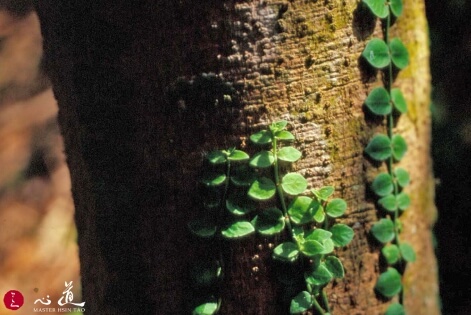
How, then, do we cultivate harmonious interdependence and interconnectedness? Consider the ecological chain: a seed grows in the soil into a tree, which blossoms and sheds its leaves; the fallen leaves enrich the soil, becoming nourishment for future seeds. This forms a cyclical linkage—an expression of interconnectedness within a shared web of life. In Buddhist teaching, this is the principle of dependent origination: all phenomena arise through the convergence of causes and conditions, and nothing exists in its own. This is the essential basis of coexistence. Thus, every form of life is deserving of our respect and of harmonious, mutually sustaining relationships.
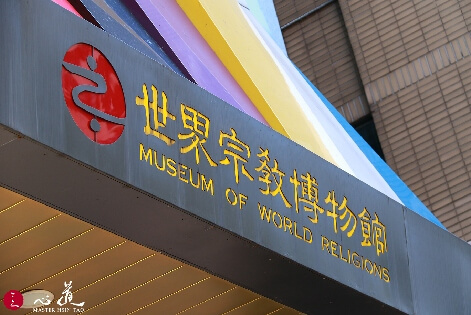
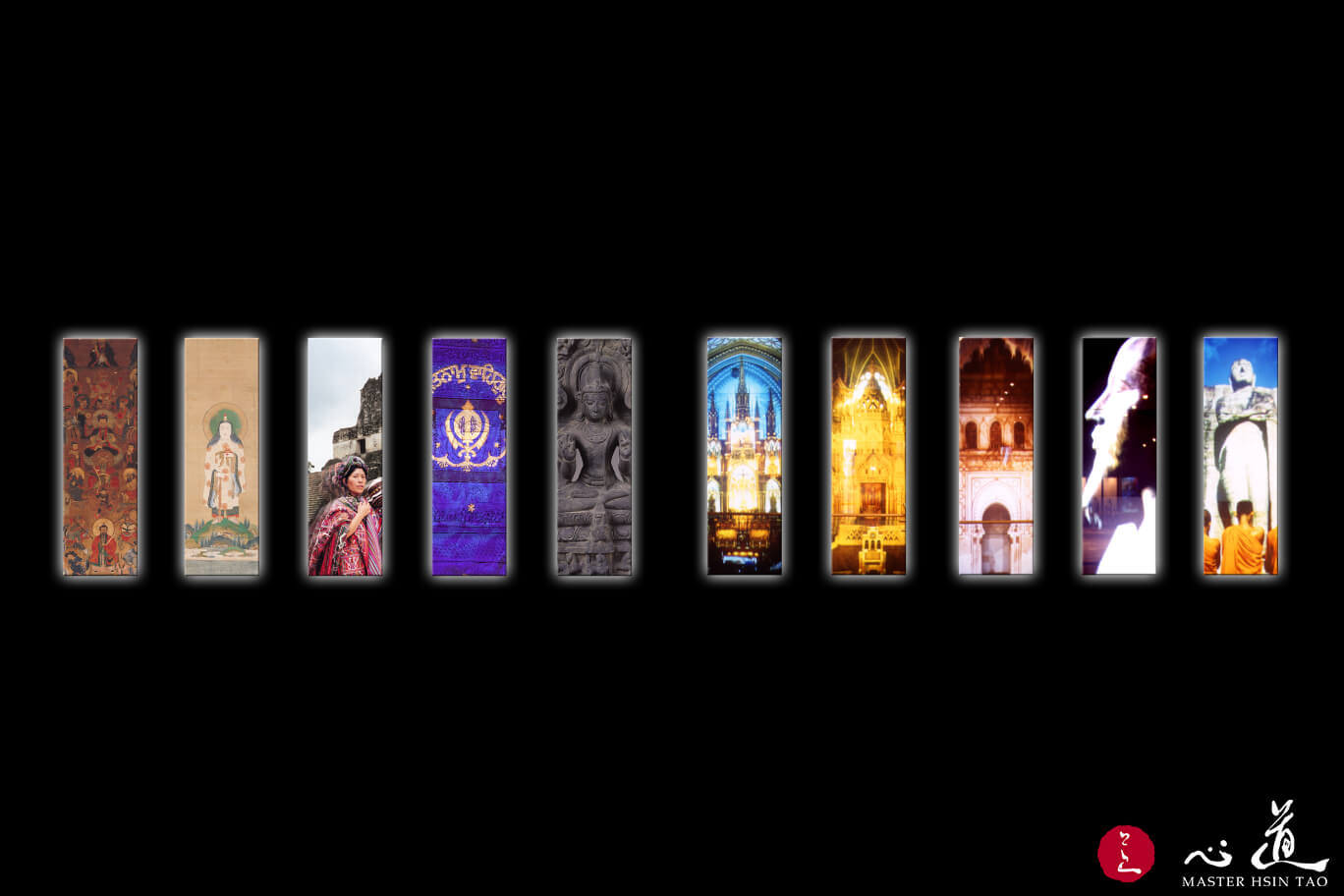 Many of today’s global conflicts stem from a lack of understanding of one another’s religions. Although religions develop diverse cultural expressions shaped by their various regions, they share a common intention: to help human beings become better. Compassion and love-kindness are their fundamental points of convergence—and these are values we have consistently sought to promote. Why, then, do we fall into conflict? Religion should embody coexistence and harmony. Yet, due to our limited understanding of life, we have disrupted the Earth’s ecosystems, undermining the natural balance that supports all beings on the planet. This imbalance has led to ecological disorder and negative consequences. For this reason, I established the Museum of World Religions as an embodiment of a spiritual ecology grounded in universal love, tolerance, and profound respect.
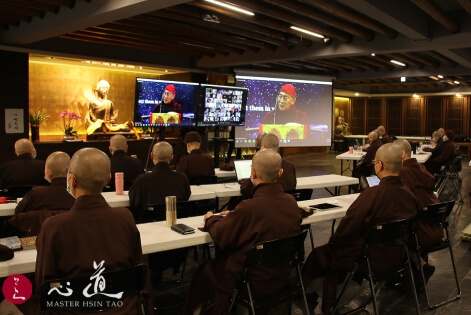
Today, the Museum of World Religions is like a train of peace. But without a locomotive, the driving force and fuel that push forward, it cannot continue indefinitely on its journey. Thus, we must establish a university that transcends religious boundaries, engages in research for ecological sustainability, and plants seeds of peace—serving as both the engine and the fuel for this train. The University for Life and Peace embodies the principles of spiritual ecology and extends the mission of life education. It serves as the center for promoting and actualizing Ling Jiou Mountain’s commitment to loving the Earth and loving peace, as well as a training ground for nurturing “seeds of peace,” the future generations.
 Recently, when discussing the University for Life and Peace with friends from different parts of the world, some lamented that world peace seems impossible because humanity continuously produces conditions of non-peace. However, I believe peacebuilding is something that must be learned through education. Consider how environmental awareness developed: at first, many did not even know what environmental protection meant. Yet, through years of education and advocacy, people gradually gained understanding, until environmental stewardship became a shared global value. All of this emerged from education. Peace is the same. Through study, understanding, and the formation of shared awareness, peace can be established. Although we may not be able to achieve it right away, we must not give up. We must foster this collective understanding and commitment to learning—from infancy to old age—learning how life coexists and thrives through interdependence.