




2024.02.25
Accomplishing a Life of Mutual Flourishing through Dharma
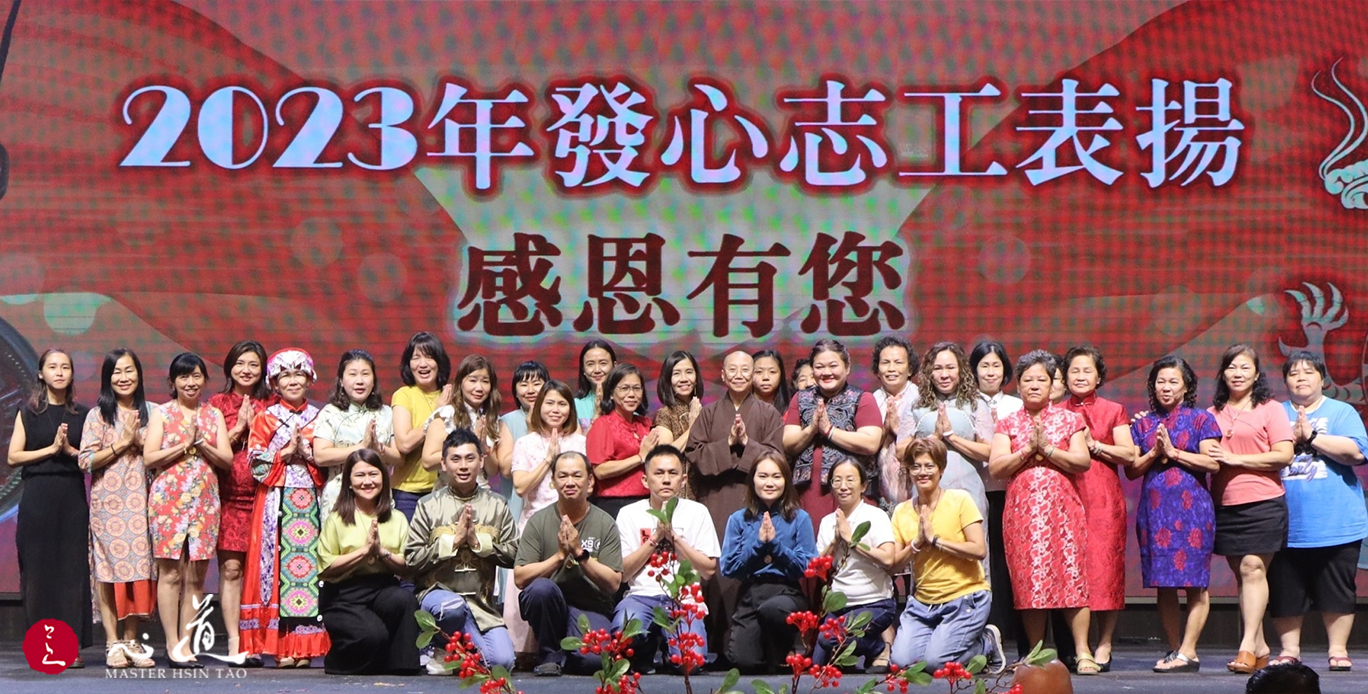
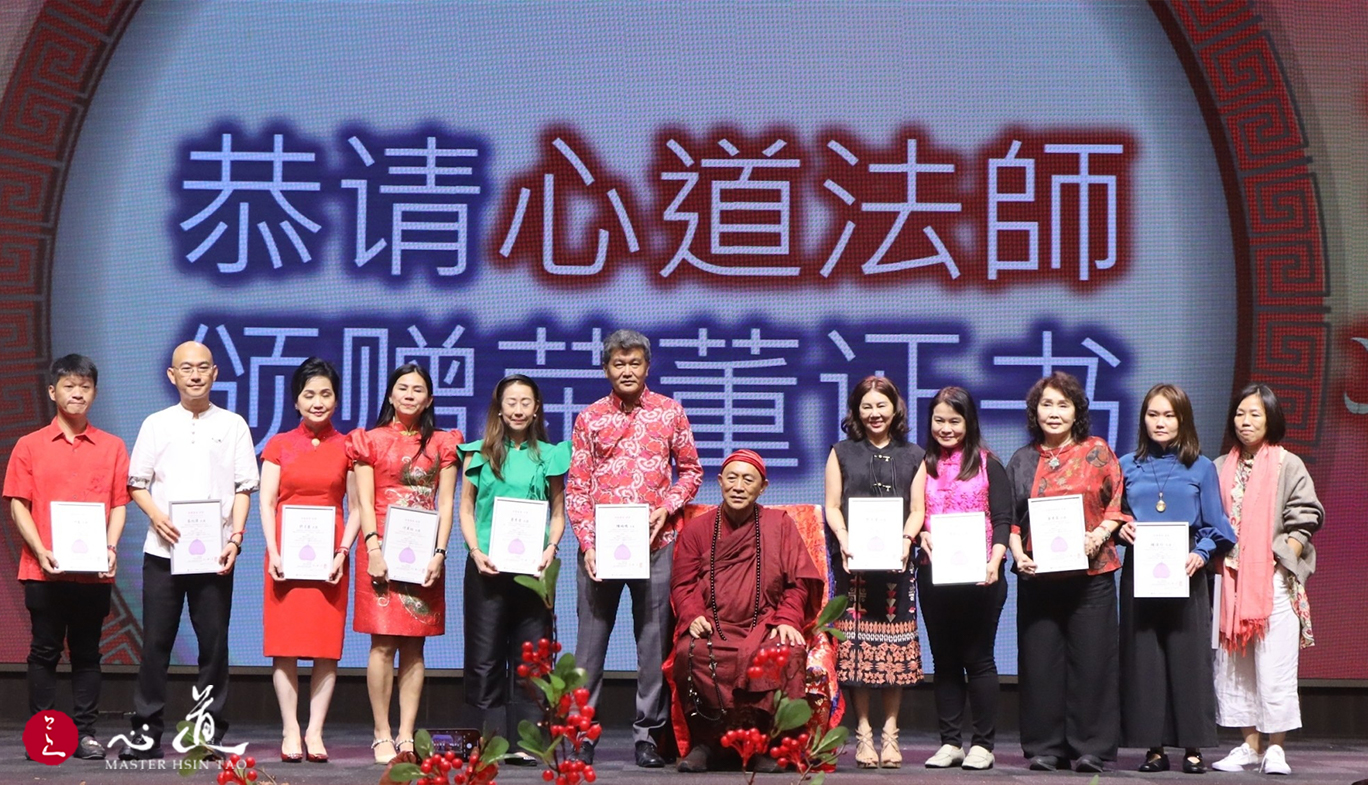
 On February 24, 2024, the Lantern Festival of the Lunar New Year, we came to Kuala Lumpur, Malaysia, to joyfully celebrate this festive occasion together with many long-unseen devotees.
In today’s Information Age, it is often difficult to discern the correct path. The Buddhadharma teaches that “if the causal ground is false, its resultant fruit will be distorted.” In other words, we must direct the karmic DNA blueprint of our lives toward the right course. Every intention that arises in our minds shapes the direction of our lives. When our intentions are right, our course is correct; when our intentions are misguided, our course deviates. Once we stray from the right path, suffering inevitably increases. Thus, the Buddhadharma serves as the navigational course of life, guiding us toward a wholesome, right, and fulfilling direction.
To be born as a human being and encounter the Buddhadharma is exceedingly rare—like finding a needle in the depths of the ocean. Yet now we have encountered the teachings and have the opportunity to learn and practice the Dharma. To study and practice Dharma is to discover the right direction and engage in what is truly beneficial. The Buddhadharma bestows blessings, wisdom, and the capacity to discern the countless truths and deceptions of the world. Through such wisdom, we can unravel the causes of suffering and attain the greatest happiness accessible in human life.
 When the orientation of our karmic DNA is proper and our intentions are aligned with truth, everything naturally falls into place. What, then, are the intents of a Buddha? They are to uncover the very origin of our being. The Buddha teaches us how to uncover this nature of mind and how to walk the path of the mind, enabling our lives to become beautiful, healthy, and wholesome. Such a life is one of thriving for mutual flourishing—a life in which you flourish, I flourish, and everyone flourishes together.
A life thriving for mutual flourishing begins with a corresponding pattern of thinking. This pattern of thinking directs us to the origin of life itself. The origin of life may be called the spiritual origin—the original state of who we are. Amid the cyclic existence of birth and death, this spiritual essence alone remains unchanged. Yet whenever we assume a new existence, we forget our true identity. The continuity of life is guided by karmic memory drive, which serves as the navigational system through which existence unfolds. Through the karmic imprints carried within this continuity of karmic memory, present life becomes linked with both past and future lives; this process is what is known as samsara.
 How, then, can we transform these karmic memory drive and cultivate a wholesome life-pattern that benefits others in every lifetime? The answer is to plant virtuous karmic seeds within our lives. This means cultivating virtues physically, verbally, and mentally: acting virtuously through the body, speaking wholesome and beneficial words, and nurturing kind intentions within the mind. These three dimensions encompass the merits of the ten virtuous deeds. Thus, studying and practicing Dharma is fundamentally the process of uncovering our spiritual origin and our original face.
When we uncover our original face and return to the origin, we naturally understand how to proceed. As taught: “refrain from non-virtues, engage in virtues.” By purifying our intents, we gradually transform ourselves through practices such as sutra recitation, Chan practice, and mantra recitation. In this way, our conduct steadily moves toward an awakened state of being. The purpose of enlightenment is to benefit others throughout lifetime after lifetime. A life dedicated to benefiting others is no longer a self-centered life; it becomes a life of sharing and contribution. May everyone progress toward a life that transcends aging and death, and may all accomplish a life devoted to the benefit of others.