



2021.11.10
20th Anniversary of the MWR: Advancing Spiritual Ecology Education
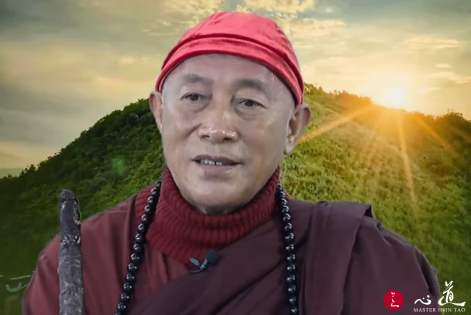
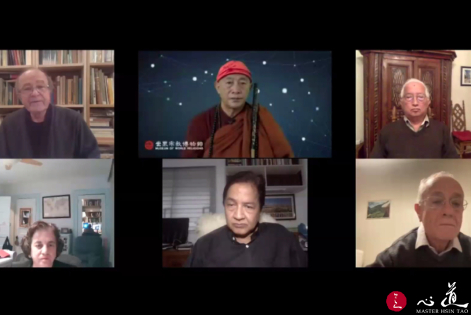
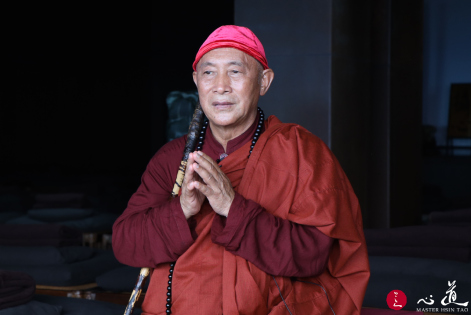
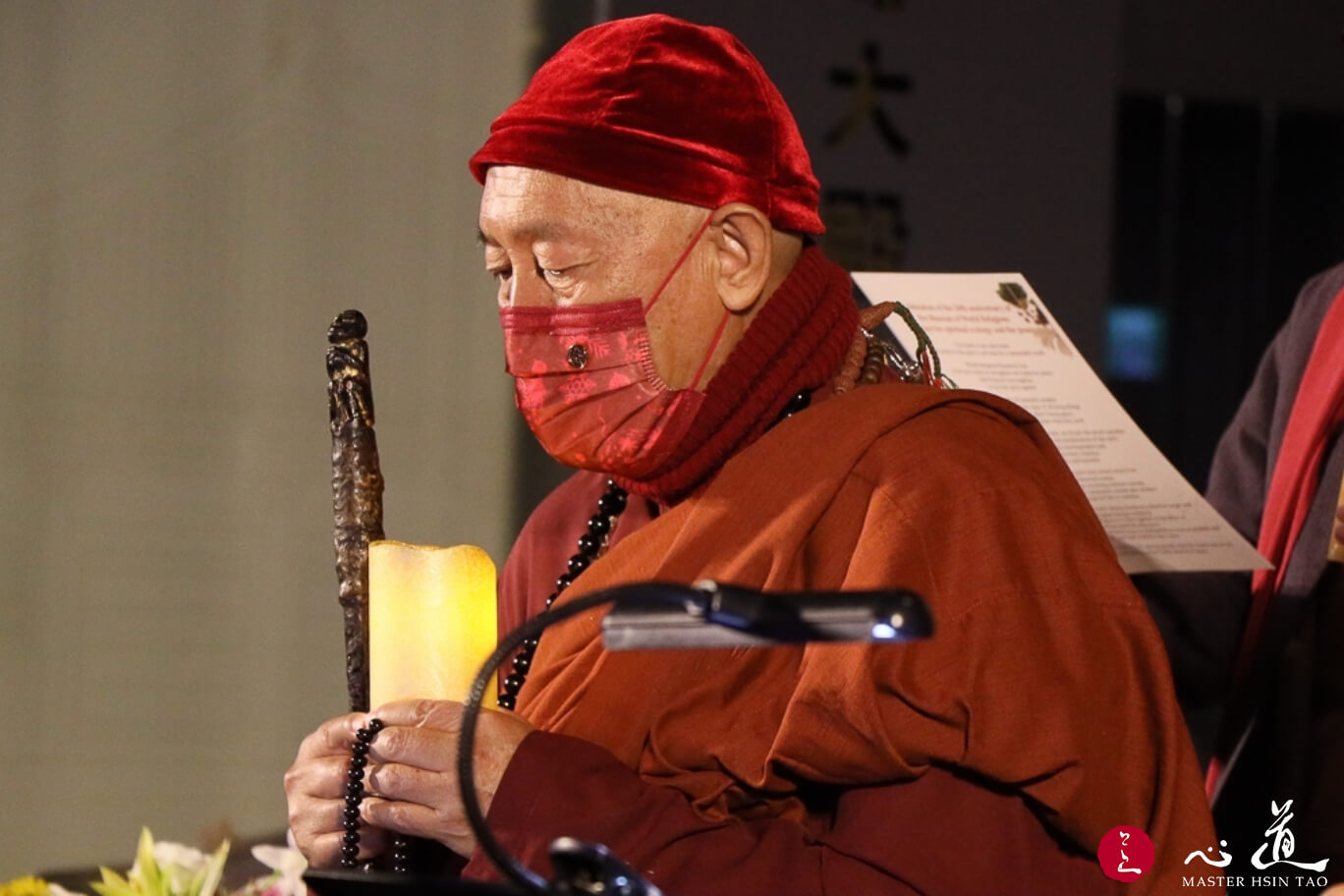 November 9, 2021, marked the 20th anniversary of the Museum of World Religions. On this day, we invited esteemed ministers from various governmental departments, representatives of religious leaders from different faiths, friends from the museum and arts and cultural communities, benefactor representatives, international friends from across the globe via online platforms, as well as members of the LJM Honorary Board of Directors and supporters. We gathered together to offer blessings for the Museum’s twentieth anniversary with everyone who has steadfastly supported the museum since its inception.
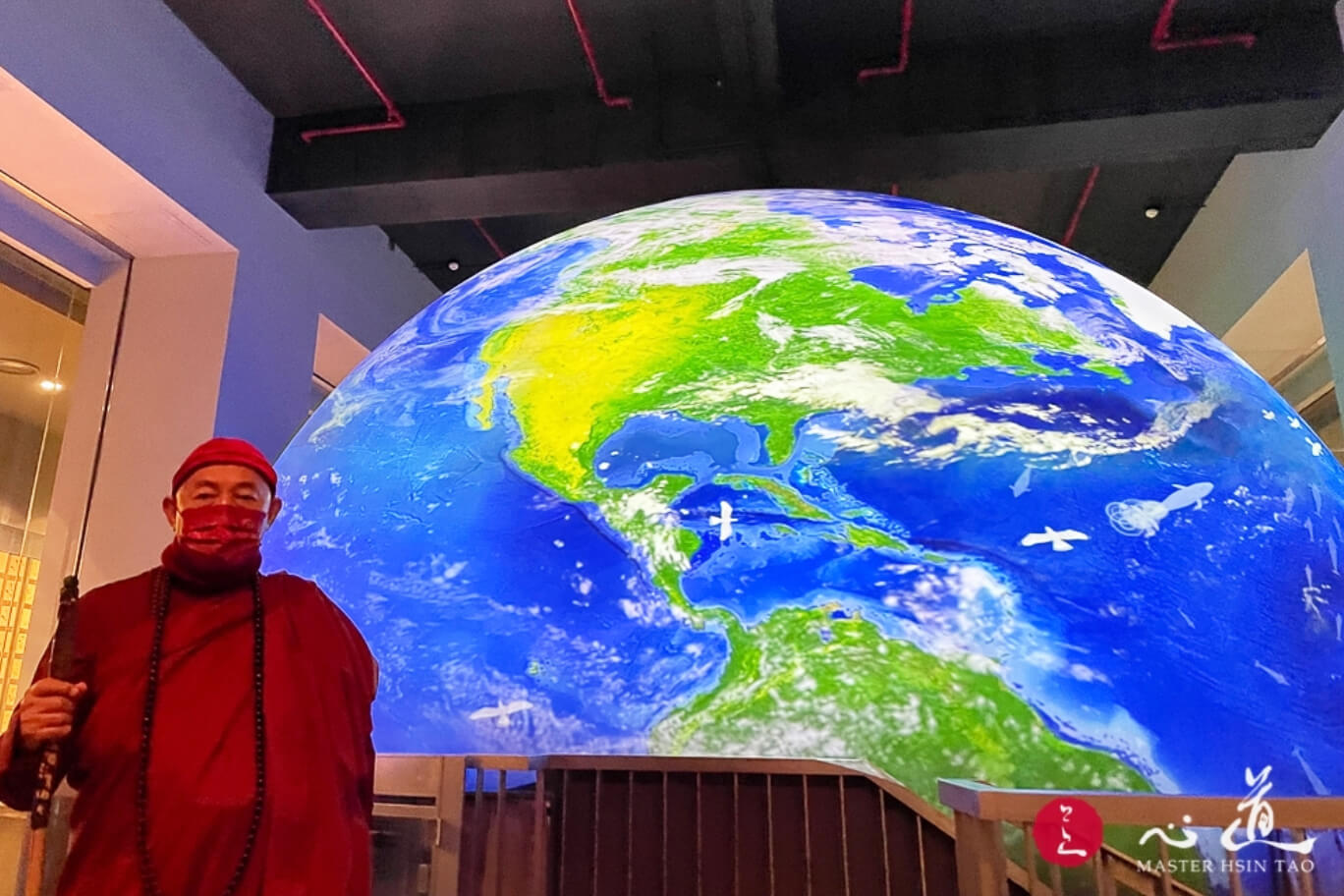 We warmly welcome your presence and express our heartfelt gratitude. From the early planning stages to today, over a span of thirty years, we have walked this path together—steadfast and unwavering in our commitment to safeguard the Museum. The founding vision of the Museum of World Religions was rooted in the ideals of “respect, tolerance, love,” as well as “love and peace.” With these principles, we gathered countless virtuous conditions and kindred spirits to jointly establish the museum. Since then, the Museum has consistently upheld these values, promoting religious harmony, interdisciplinary cooperation, life education, and spiritual education—using the cultural and artistic expressions of religion to elevate the quality of life.
The Museum has continuously strived to provide every individual with a source of spiritual refuge and to foster interfaith dialogue as a means to deepen mutual understanding and resolve conflict. Especially at this critical juncture of ecological crisis, the role of spiritual and religious education bears even greater importance—a fact made ever more evident over the past two years. Amidst ongoing global warfare and conflict, increasingly frequent extreme weather events, overwhelming natural disasters, and the sweeping global pandemic—we are reminded that the pandemic is itself a manifestation of ecological imbalance. The ecological crisis is inseparable from the crisis of civilization, and the two are deeply intertwined.
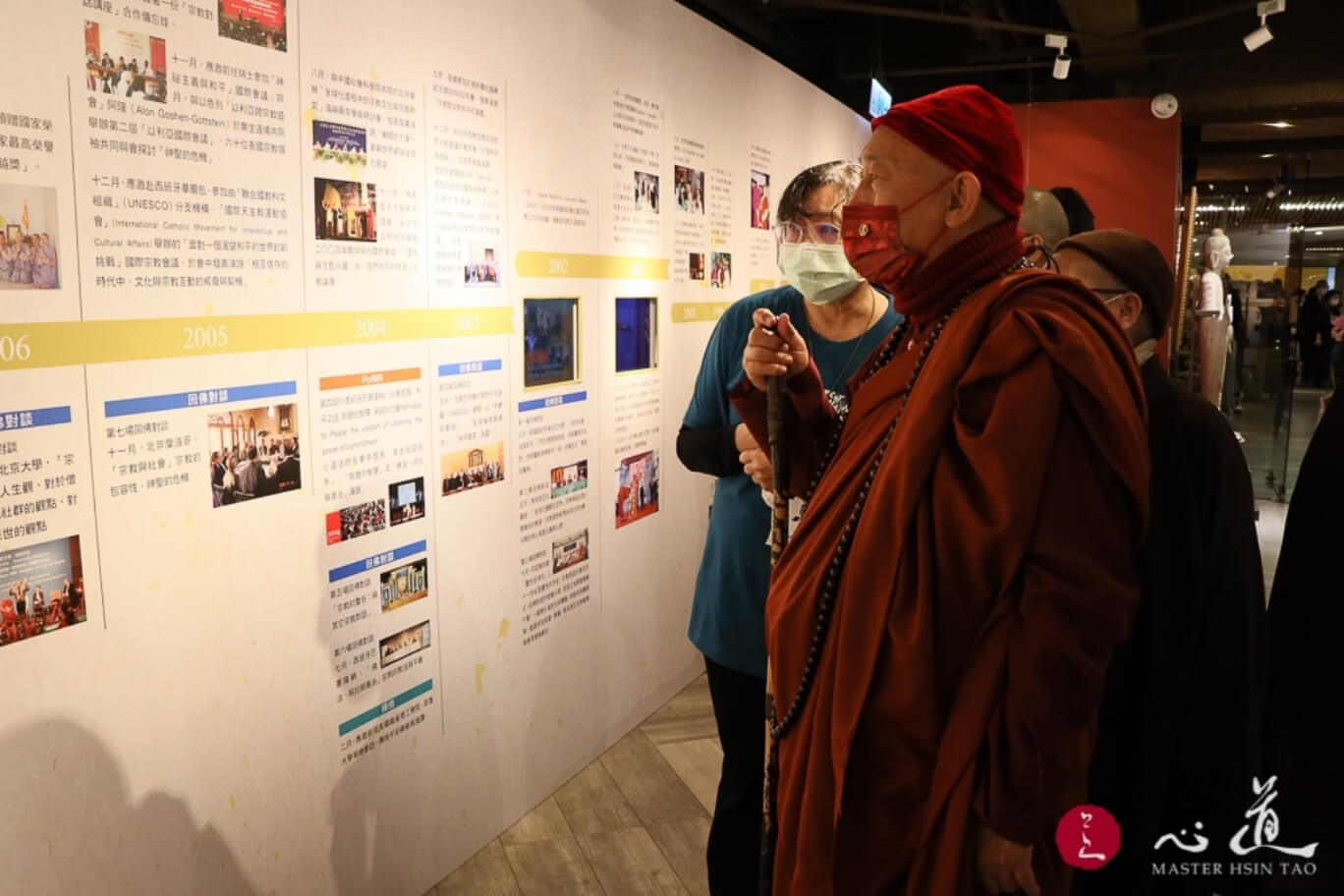 Civilization has long developed with humanity at its center. But when the human mind becomes consumed by greed, aversion, ignorance, and unchecked desire, all aspects of society become dominated by the pursuit of profit and rapid growth, resulting in relentless exploitation and monopolization, fierce competition, and the insatiable consumption of Earth’s resources. Taking without restraint, humankind has pushed the planet’s ecosystems to the brink of collapse. When ecological systems break down, nature strikes back—endangering the very survival of humanity. As humans occupy a pivotal role within the ecological web, the severity of the current crisis now poses an existential threat to our species. There is no time to delay; we must come together and take urgent action—none of us will be spared if we fail to act.
The Earth is an organic entity. Ecology, by nature, is characterized by mutual support for thriving and interconnectedness. For ecosystems to remain healthy and life to flourish perpetually, we must learn to respect and cherish the Earth. This spiritual state of mind is the origin—the foundational platform for all existence. Thus, from the perspective of spirituality, all beings are the same by nature. We must respect the intrinsic value of all beings, embrace the space for coexistence, and together build a world of shared fulfillment. By practicing universal love through the act of giving and sharing what is necessary for life. Every being plays a vital role. All phenomena are interrelated. Life itself is sharing; spirituality is ecology. At its core, coexistence is harmoniously interwoven.
Today, we launch the “Avatamsaka Spiritual Ecology Hall” within the museum, with the aspiration that all may come to see the inseparability of spirituality and ecology—and to continue advancing the values of “love Earth, love peace.” The Museum of World Religions was born in response to the needs of the times, and it continues to serve as a source of spiritual nourishment for our contemporary world. On the occasion of this 20th anniversary celebration, our greatest wish is to call everyone back together—to renew our dedication and carry forward our shared mission into the future.
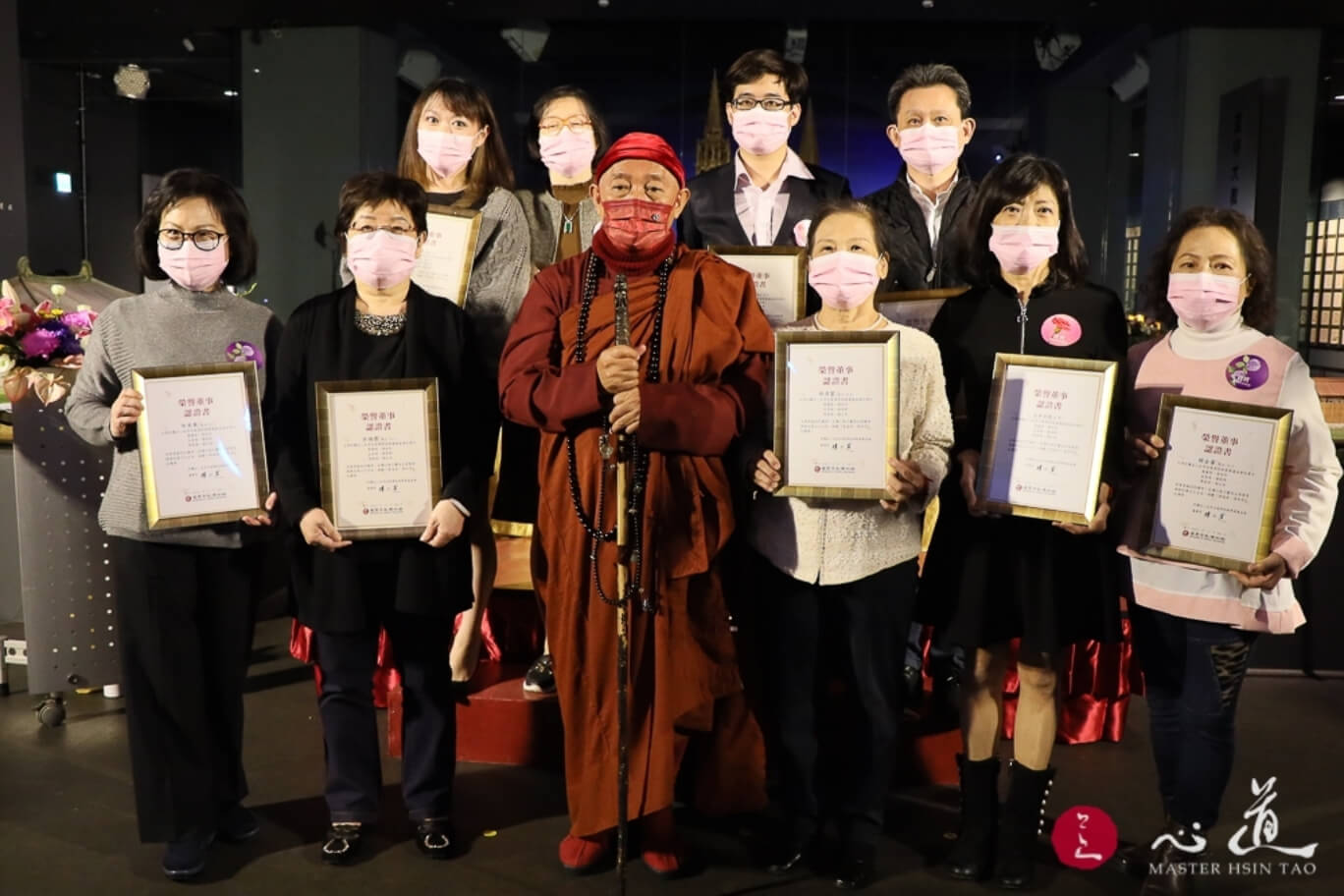 We sincerely hope that, through the platform of the Museum, religions can cultivate mutual trust and mutual support—together forging a collective mission to become guardians of the Earth’s ecosystems. Let us jointly promote spiritual-ecological peace education, and extend this endeavor to all sectors—industry, science and technology, politics, and society—to awaken spiritual awareness in every individual. Through concrete actions, we can begin to reverse the global ecological catastrophe. Let this be our shared objective: to live in harmony and take one more step toward world peace.
We are also in the process of planning a future University for Life and Peace, centered on the principles of spiritual ecology and integrating multiple academic disciplines. This initiative will be closely aligned with the Museum of World Religions, and will actively work to transform humanity’s way of life into one that harmonizes with nature.
We deeply thank each and every one of you for being here today. May all beings return to their spiritual roots, may the ecosystem be restored to harmony, may the world know peace, and may the Earth remain safe. Wishing everyone good health and peace. Thank you.