









2025.12.01
A Family Grounded in the Dharma: Transmission of the Dharma and Faith
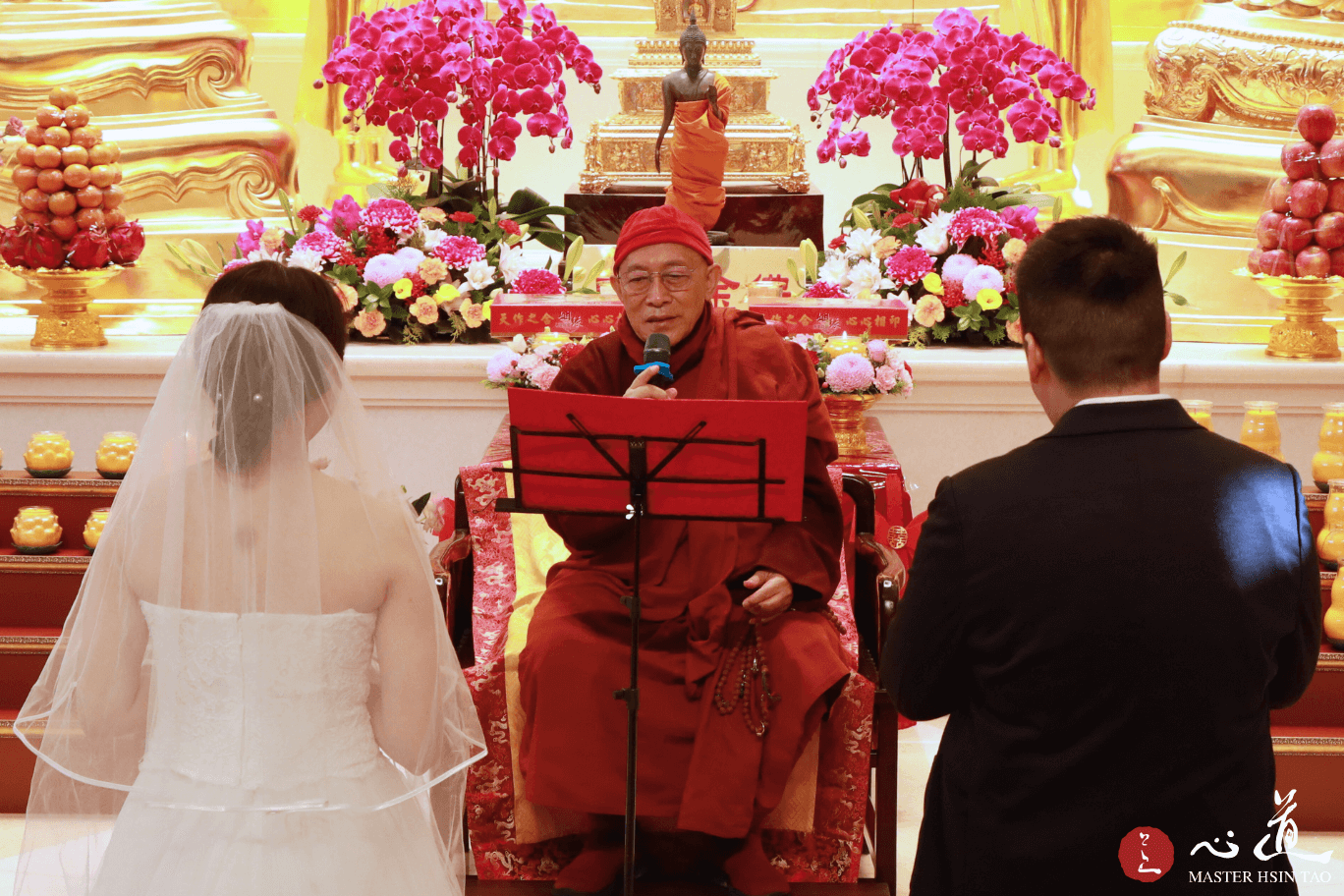 On November 29, 2025, on one occasion, I offered a blessing and testimony for a newlywed couple. Through virtuous connections, two individuals are united; from this moment onward, they are to cooperate with one another throughout this life, striving together, mutually relying upon and sustaining each other in daily living, and offering mutual assistance and support along life’s journey, thereby nurturing and bringing to fruition the future of the next generation.
Today, in the presence and witness of the Buddha and the Three Jewels, the couple has become bodhi companions and established a Buddhist household. A Buddhist family is one in which both partners share Buddhist values. The Buddha exemplified altruism and loving concern for others; accordingly, spouses are to practice mutual forbearance and acceptance, ultimately giving rise to a harmonious and wholesome household. Marriage constitutes the foundation of a form of secular life and the transmission of life itself. Within the course of living, husband and wife are companions—interconnected and mutually supportive, assisting and empathizing with one another. This is a beautiful extension of compassion and joy.
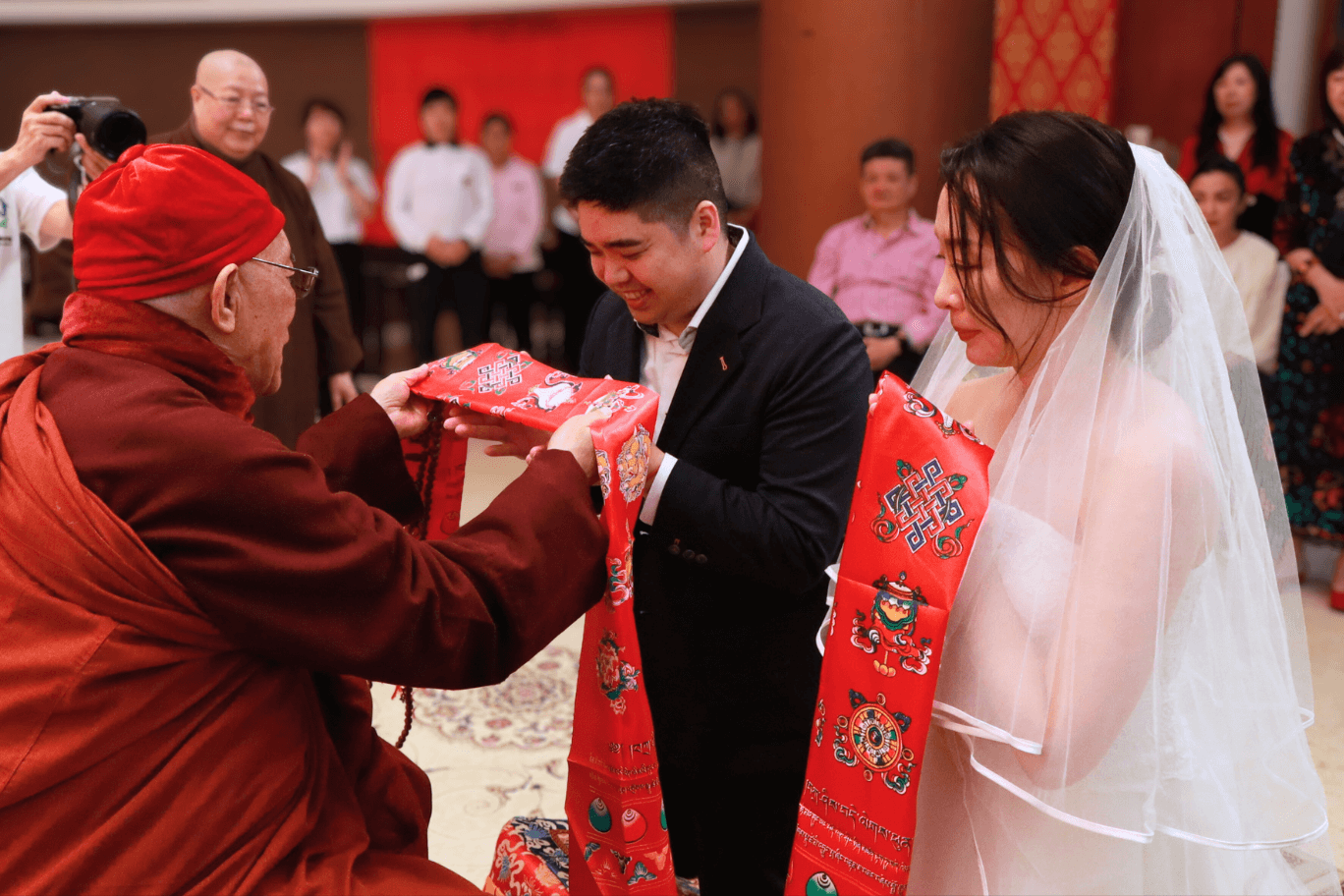 A Buddhist household is further entrusted with the transmission of the Dharma and the continuation of faith. It is our hope that, under the immersive influence of the Buddhadharma, this couple may receive the protection and blessings of the Three Jewels. Faith entails confidence in the Buddha, enabling one to become a pillar of society by taking reliance upon the Dharma and taking refuge in the Sangha as one’s spiritual guide. The Three Jewels serve as the compass of our lives and the ultimate refuge across lifetimes, through which we discover direction and purpose in life.
Although family life and professional pursuits are grounded in practical realities, the presence of the Buddhadharma enriches and nourishes both daily living and one’s vocation, rendering family life more harmonious. When families are harmonious, society becomes stable; when society is stable, life becomes joyful; and when life is joyful, the inner spirit becomes fulfilled.
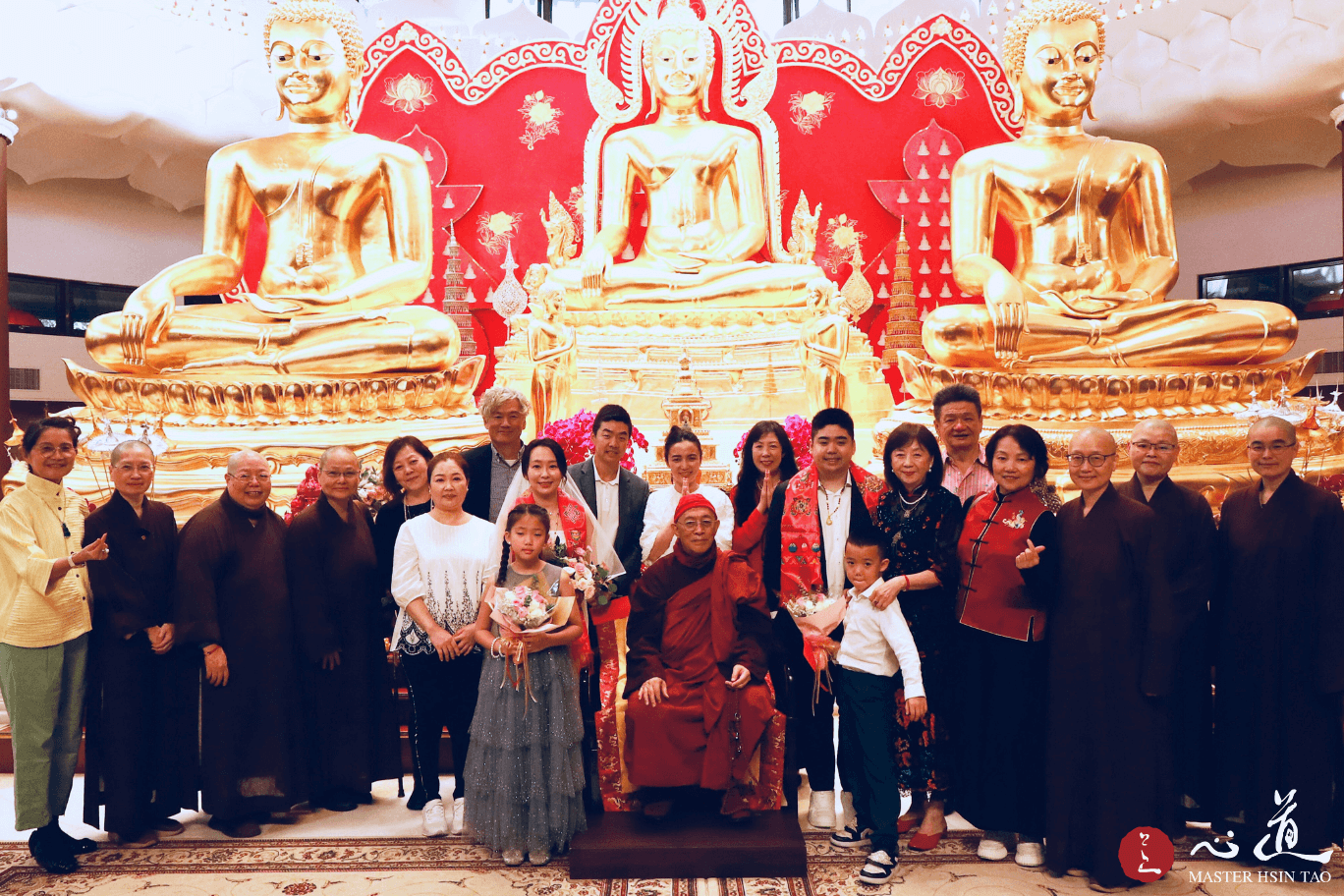 We wish this couple happiness and good health, and that they may regard their family as a bodhimanda of practice—diligently advancing in the practice of the Buddhadharma. As disciples of the Buddha, we are to cultivate a positive, proactive, and optimistic orientation toward life, sowing seeds of love and engendering the aspiration for Buddhahood, dedicating ourselves to service and selfless contribution for the benefit of sentient beings.
In essence, the study and practice of Buddhism consist of altruism, dedication, and service. Faith enables us to fulfill the work of serving and offering our lives. Life itself is transmission, and transmission means caring for every sentient being, enabling all to have the opportunity to attain Buddhahood. Without undertaking this transmission, we fail to guide others toward awakening. Marriage is no different: it should be grounded in the aspiration that all may attain Buddhahood. To attain Buddhahood is to realize the common good, such that all those connected with us—anyone with whom we share karmic affinity—may progress toward awakening. This is the meaning of the common good. To realize the common good is to give rise to bodhicitta, and this, indeed, is our mission.